What Happens to Your Phone During a Professional Repair
When you hand over your device for professional phone repair, many processes begin behind the scenes that most customers never see. Understanding what happens to your phone during a professional repair helps build trust and sets realistic expectations about time, quality, and outcomes. Professional repair is not a single action but a structured workflow designed to diagnose issues accurately, protect data, and restore full functionality. Each step is carried out with precision to ensure the device is returned in safe, reliable, and optimized working condition rather than just appearing fixed on the surface.
Initial Intake and Condition Assessment
The professional repair process starts the moment your phone is received. Technicians perform an intake inspection to document the phone’s condition, including visible damage, functionality issues, and any pre-existing marks. This step protects both the customer and the repair provider by establishing a clear baseline. Buttons, cameras, speakers, charging ports, and display responsiveness are checked. This initial assessment ensures transparency and helps technicians understand whether issues are isolated or part of a broader internal problem requiring deeper inspection.
Diagnostic Testing and Problem Identification
After intake, professional diagnostics begin. Technicians use specialized tools and software to test hardware and software components. Unlike guess-based repairs, diagnostics identify the true cause of failure. A phone that will not charge may have issues beyond the port, such as power management circuitry or battery faults. Diagnostic testing ensures repairs target the root problem rather than symptoms. This step is critical in professional repair because it prevents unnecessary part replacement and recurring issues after service.
Data Safety and Customer Privacy Measures
Professional phone repair services prioritize data protection. While most repairs do not require access to personal files, technicians follow strict protocols to avoid data exposure. Phones are handled in controlled environments, and unnecessary data access is avoided. In cases where resets or system-level work is required, customers are informed beforehand. This professional approach ensures privacy and builds confidence that personal and professional data remains secure throughout the repair process.
Careful Device Disassembly
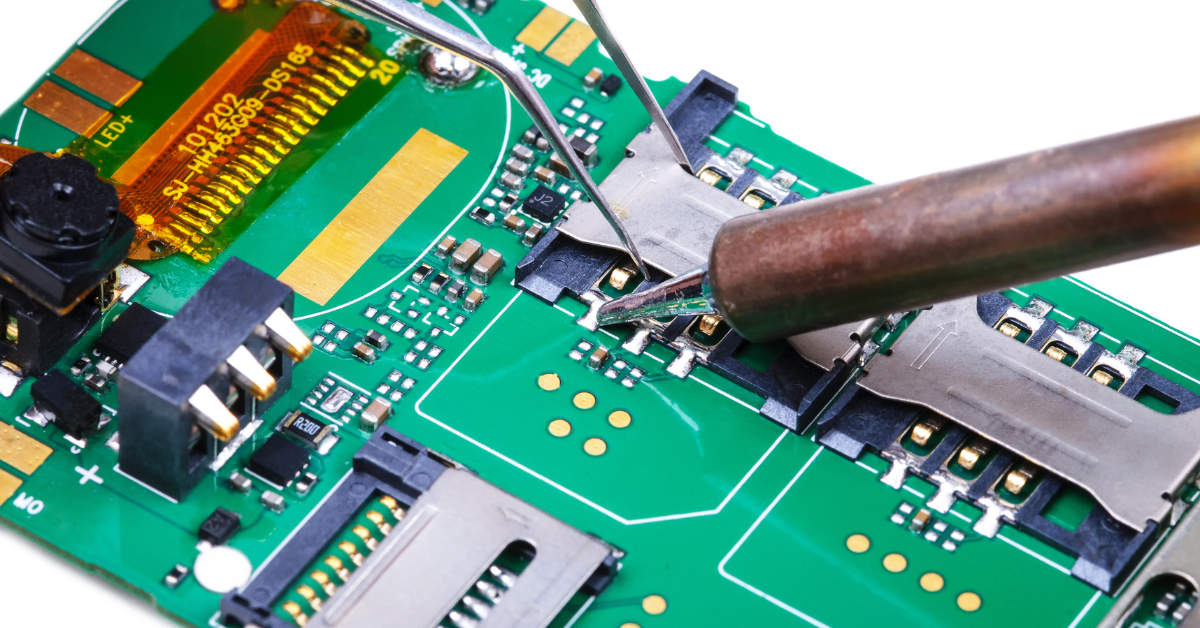
Disassembling a smartphone requires precision, patience, and experience. Professional technicians use proper tools to avoid damaging delicate connectors and internal components. Modern phones are held together with specialized adhesives and tiny screws, making improper opening risky. During professional repair, heat is applied in controlled amounts to loosen adhesives safely. Each component is removed in sequence to prevent stress on internal circuits. This careful disassembly protects the phone from accidental damage that often occurs during DIY or low-quality repairs.
Internal Inspection for Hidden Damage
Once the phone is open, technicians inspect internal components for hidden damage. Drops, water exposure, and overheating can affect parts not visible externally. Corrosion, loose connectors, or burnt components are identified at this stage. Professional repair focuses on the full condition of the device, not just the reported issue. Identifying hidden problems early allows technicians to address them before they cause future failures, ensuring the repair delivers long-term reliability rather than a temporary fix.
Component Repair or Replacement
After inspection, technicians repair or replace damaged components using high-quality parts. Screens, batteries, charging ports, speakers, cameras, and internal connectors are installed with precision. Professional repair services ensure components are compatible and tested before installation. Proper alignment and secure connections are essential for performance and safety. This step is where technical expertise matters most, as improper installation can lead to poor performance or additional damage.
Cleaning and Preventive Maintenance
Professional phone repair often includes internal cleaning as part of the process. Dust, debris, and residue are removed from internal areas that can affect performance. In cases of minor moisture exposure, technicians clean affected areas to prevent corrosion. This preventive maintenance step is rarely included in low-quality repairs but adds significant value. Cleaning improves airflow, reduces heat buildup, and extends component lifespan, contributing to better long-term device performance.

Reassembly With Precision
Reassembling the phone is as important as disassembly. Professional technicians ensure every connector is seated correctly, screws are tightened to proper tension, and adhesives are applied evenly. Improper reassembly can cause issues such as screen lift, poor touch response, or internal movement. Professional repair standards focus on restoring the phone to its original structural integrity. This precision ensures the device feels solid and functions correctly when returned to the customer.
Software Checks and Calibration
After hardware work is completed, technicians perform software checks to ensure compatibility and stability. Displays are calibrated for touch accuracy, batteries may be recalibrated, and system functions are tested. Professional repair recognizes that hardware and software must work together seamlessly. These checks prevent issues such as inaccurate battery readings, unresponsive touchscreens, or system instability after repair. Proper calibration is essential for delivering a fully functional device.
Comprehensive Post-Repair Testing
Before a phone is returned, it undergoes thorough testing. Technicians check calling functions, audio quality, camera performance, charging behavior, sensors, connectivity, and overall responsiveness. This step ensures the phone performs reliably in real-world use. Professional repair services do not consider a repair complete until the device passes all functional tests. This commitment to quality reduces the likelihood of repeat visits and builds customer confidence in the repair outcome.
Final Quality Review and Documentation
A final quality review confirms that the repair meets professional standards. The phone’s condition is compared to the initial intake assessment to ensure all issues have been addressed. Repair details are documented for warranty and reference purposes. This documentation reflects accountability and professionalism. Customers benefit from clear records that explain what was repaired and what parts were used, reinforcing transparency in the repair process.
Customer Explanation and Aftercare Guidance
When the repair is complete, professional technicians explain what was done and provide aftercare advice. Customers learn how to maintain the repair, avoid future damage, and recognize early warning signs of issues. This education is part of professional service and helps extend the lifespan of the repair. Clear guidance ensures customers leave informed rather than uncertain about how their device was handled.
Why Professional Repair Delivers Better Results
Professional repair is structured, methodical, and focused on long-term performance. Each step is designed to protect the device, ensure accuracy, and deliver reliable outcomes. For users seeking dependable service and transparency, professional repair processes outlined when you click here reflect a commitment to quality and technical excellence. Choosing professional repair reduces risk and ensures devices are restored correctly.
Understanding the Value Behind the Process
The time and care involved in professional phone repair explain why quality service matters. Every step, from diagnostics to testing, adds value that quick fixes cannot provide. Customers benefit from fewer recurring issues, improved performance, and greater peace of mind. Professional repair is not just about fixing a problem but about restoring trust in the device’s reliability and safety.
Making an Informed Repair Choice
Knowing what happens to your phone during a professional repair empowers you to choose wisely. It highlights the importance of diagnostics, skilled handling, quality parts, and thorough testing. When considering where to repair your device, understanding these steps helps distinguish professional service from shortcuts. For those who want their phones handled with care and expertise, exploring professional repair processes when you click here ensures informed decisions and dependable repair outcomes.